The Power of Silent Crowds: Why Unity Feels Louder Than Noise
Updated: Feb 16
We’ve been trained to believe that energy equals volume.
But some of the most powerful moments in history weren’t loud.
They were synchronized.
A silent crowd moving as one can feel more electric than the noisiest stadium. Because when sound is controlled, something else rises to the surface:
Rhythm. Focus. Emotional unity.
And unity doesn’t need noise. It needs alignment.

When Energy Becomes Visible
In loud environments, energy is heard.
In silent environments, energy is seen.
LED lights pulsing in rhythm.
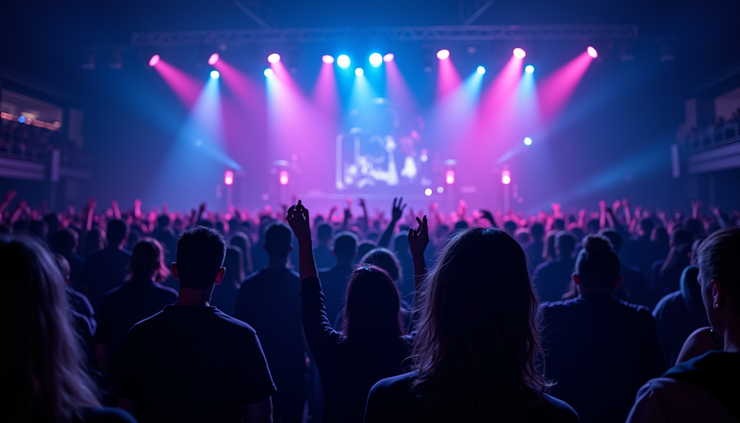
Thousands swaying in sync.
Hands raised at the same moment.
Without competing sound, movement becomes amplified. Every gesture carries weight. Every visual cue becomes intentional.
The crowd stops feeling like individuals.
It starts feeling like one organism.
That visual synchronization commands attention in a way noise never can.
The Psychology of Moving Together
There’s a reason synchronized crowds feel powerful.
Research shows that when people move in rhythm together, trust increases. Cooperation increases. Emotional intensity increases.
Shared rhythm creates belonging.
Whether it’s a moment of silence at a sporting event, a candlelight vigil, or a silent worship experience — synchronized stillness builds deeper connection than random cheering ever could.
Silence removes distraction.
What remains is collective presence.
Why Silent Energy Feels Louder
Silence concentrates emotion.
Without amplified sound, attention sharpens. Participants become hyper-aware of each other. The atmosphere thickens — not because of volume, but because of unity.
Lights glow brighter in the dark. Movements feel stronger without noise competing. Emotion surfaces without interruption.
Silence doesn’t reduce impact.
It intensifies it.
Designing Emotional Unity Intentionally
This is where structured silent environments become powerful.
With UNPLGD® multi-channel experiences, organizers can:
• Create synchronized lighting moments • Deliver unified prompts directly to participants • Guide collective movement in real time • Shift the emotional tone of a room instantly
You don’t need volume to command energy.
You need rhythm and clarity.
For corporate gatherings, university activations, faith-based events, public spaces, and large-scale experiences across Frisco, Dallas, Plano, Fort Worth, and the greater DFW region, silent crowd design unlocks a different kind of atmosphere:
Focused. Unified. Memorable.
Practical Examples of Silent Crowds
Sporting Events: Fans often hold moments of silence to honor players or victims of tragedy. The crowd’s stillness and visual unity send a powerful message of respect.
Concerts: Audiences use LED lights to create waves of color and light, expressing connection without shouting.
Protests: Silent marches or vigils use synchronized walking and candlelight to show solidarity and demand change.
Religious Ceremonies: Silent prayer or meditation gatherings rely on shared quiet to build spiritual connection.
Each example shows how silence combined with visual and physical unity can create a strong emotional impact.

Why Silent Crowds Feel Louder
Silent crowds feel louder because their energy is concentrated and focused. Without noise to distract, every movement, every light, and every shared glance carries weight. The crowd’s message becomes clearer and more powerful.
This intensity comes from:
Focused attention: Silence demands presence and awareness.
Shared rhythm: Movement and light create a pulse that connects everyone.
Emotional depth: Quiet moments allow feelings to surface fully.
Visual signals: Lights and gestures communicate without words.
Together, these elements create an atmosphere where silence speaks volumes.


Comments